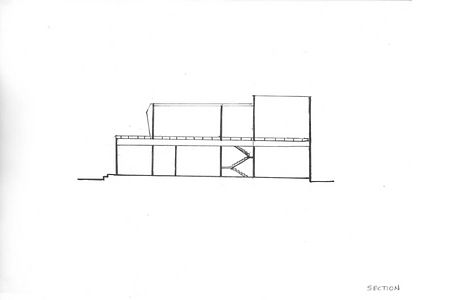
Our architectural study began with a visit to Ahmedabad, where we explored several iconic buildings. The class was divided into seven groups, each assigned a specific building to research in terms of its typology, historical relevance, and spatial characteristics. As part of the exercise, each group created a two-minute video explaining their building using simplified diagrams and photographs. This process helped us understand how architectural diagrams are constructed and how they communicate spatial ideas effectively.
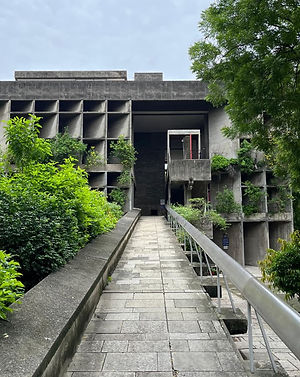
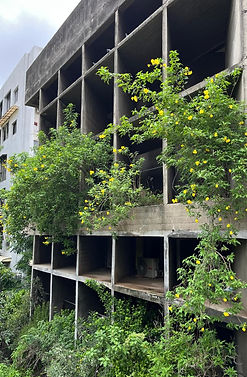
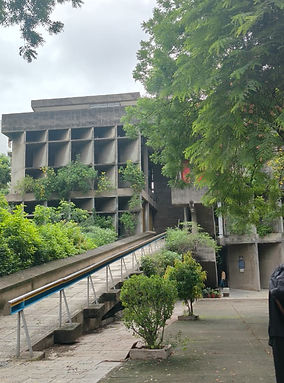
Our site is the Ahmedabad Textile Mill Owners’ Association Building (ATMA House), designed by Le Corbusier in the 1950s. The building is known for its strong structural system, climate-sensitive design, and clear separation of public and private spaces. It is organised on a concrete column-and-slab grid, which allows flexibility in planning and creates a consistent spatial rhythm. Public halls and meeting rooms are on the ground floor, while private offices are placed above to separate visitor areas from workspaces.
Brise-soleil and openings frame views while controlling sunlight, and corridors with cut-outs create visual connections across spaces. Semi-open terraces and verandas improve ventilation and encourage informal interactions. With wide corridors, ramps, and stairs supporting smooth circulation, and natural airflow reducing heat, the building stands as a complete integration of structure, space, and climate response.

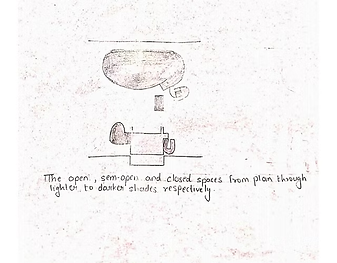


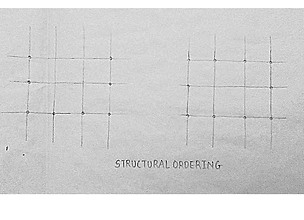
Later we taught about different types of institutional buildings institutional building types such as schools, colleges, bhavans, theatres, and parks. I was assigned the Bhavan typology and chose The Ismail Gymkhana
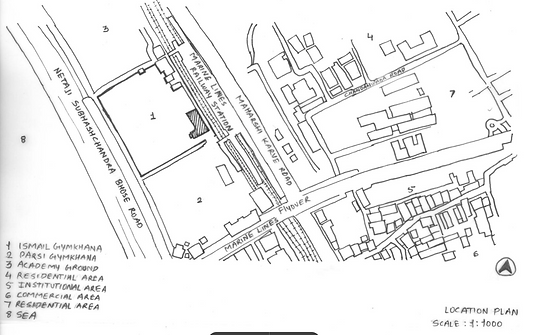
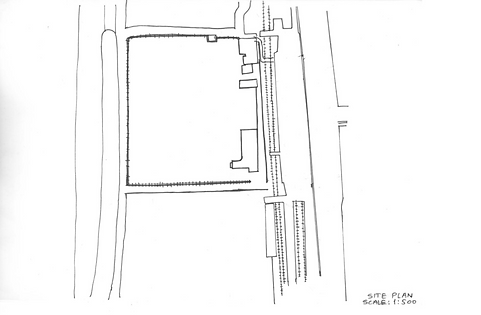
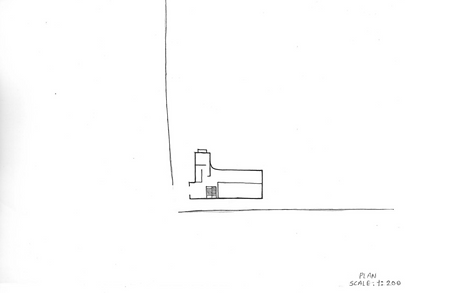
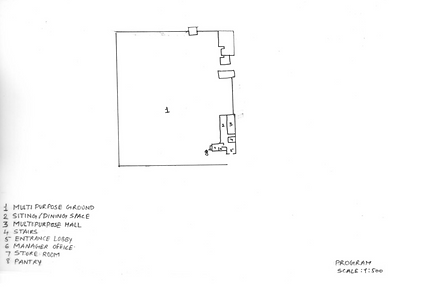
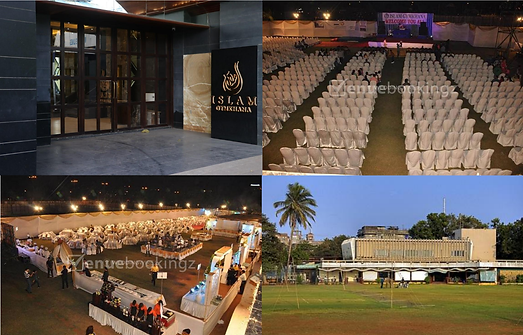
Is a heritage structure, originally established in 1891. It was constructed in 1964 by architect I.M. Kadri. The land on which it stands belongs to the Collector. Before its construction, the Gymkhana featured a simple hut-like tent primarily used by cricketers for resting. Over time, it evolved into a more organized and concrete structure, with multipurpose halls, a gym area and an admin office. The Gymkhana is known for its active sporting legacy..Regular cricket matches are held on the ground, even night tournaments also happen. The ground is also used as function venue. Upon entering, I observed a central lobby area that connects directly to the administration section. To the left of the entrance lies the manager’s office. Adjacent to this is a large multipurpose hall used for hosting various events, which opens toward the ground area. Behind the manager’s office, there is a pantry which has an entry from the ground side. The venue space behind the main office is frequently used for hosting events, and the revenue generated from these functions is utilized for ground maintenance. Beside the Islam gymkhana there is Parsi Gymkhana which also has a similar ground and the road between these two grounds sets their boundaries.
Ismail Gymkhana
Drawings